Travel Guides · 7 min read
7 Days in Santa Teresa, Costa Rica: The Perfect Beach and Adventure Itinerary
A balanced week in Santa Teresa includes an easy arrival, a surf lesson, beach time, a Montezuma day trip, a nature outing and an unplanned day.
By ZAYA Editorial Team · Published
Quick answer
A balanced week in Santa Teresa includes an easy arrival, a surf lesson, beach time, a Montezuma day trip, a nature outing and an unplanned day. Treat the order as flexible: weather, ocean conditions and transfer arrangements should decide the final schedule.
How to use this seven-day plan
This itinerary assumes seven days including arrival and departure, not seven full activity days. It combines time on the Pacific coast with one trip across the peninsula, leaving room for rest. You do not need to complete every suggestion to have a rewarding stay. Moving an outing or skipping a swim is often the best decision.
Choose a base around the routines you value most. Being near meals and beach access can reduce everyday transport, while a hillside stay may require more driving. Compare places to stay before committing to a packed activity schedule. Confirm the actual access road and check-in arrangements, especially if arriving with children or substantial luggage.
Keep sun protection, drinking water and a change of clothes available on outing days. Carry a little cash, download essential information offline and avoid leaving valuables unattended. This is a coastal holiday with natural hazards, not an itinerary of supervised attractions.
Day 1: Arrive and find your bearings
Make reaching your accommodation the main task. Whether you arrive by road, ferry or a domestic flight with a ground connection, delays can alter the afternoon. Read the guide to getting to Santa Teresa before booking tightly connected travel. Leave a meal and a quiet evening as the only essential plans.
Once settled, locate your nearest reliable food options and ask about beach access. A short walk is a useful introduction, but do not treat arrival-day excitement as a reason to enter unfamiliar surf. Observe the water from shore and note rocks, shorebreak and signs without assuming they reveal every hazard.
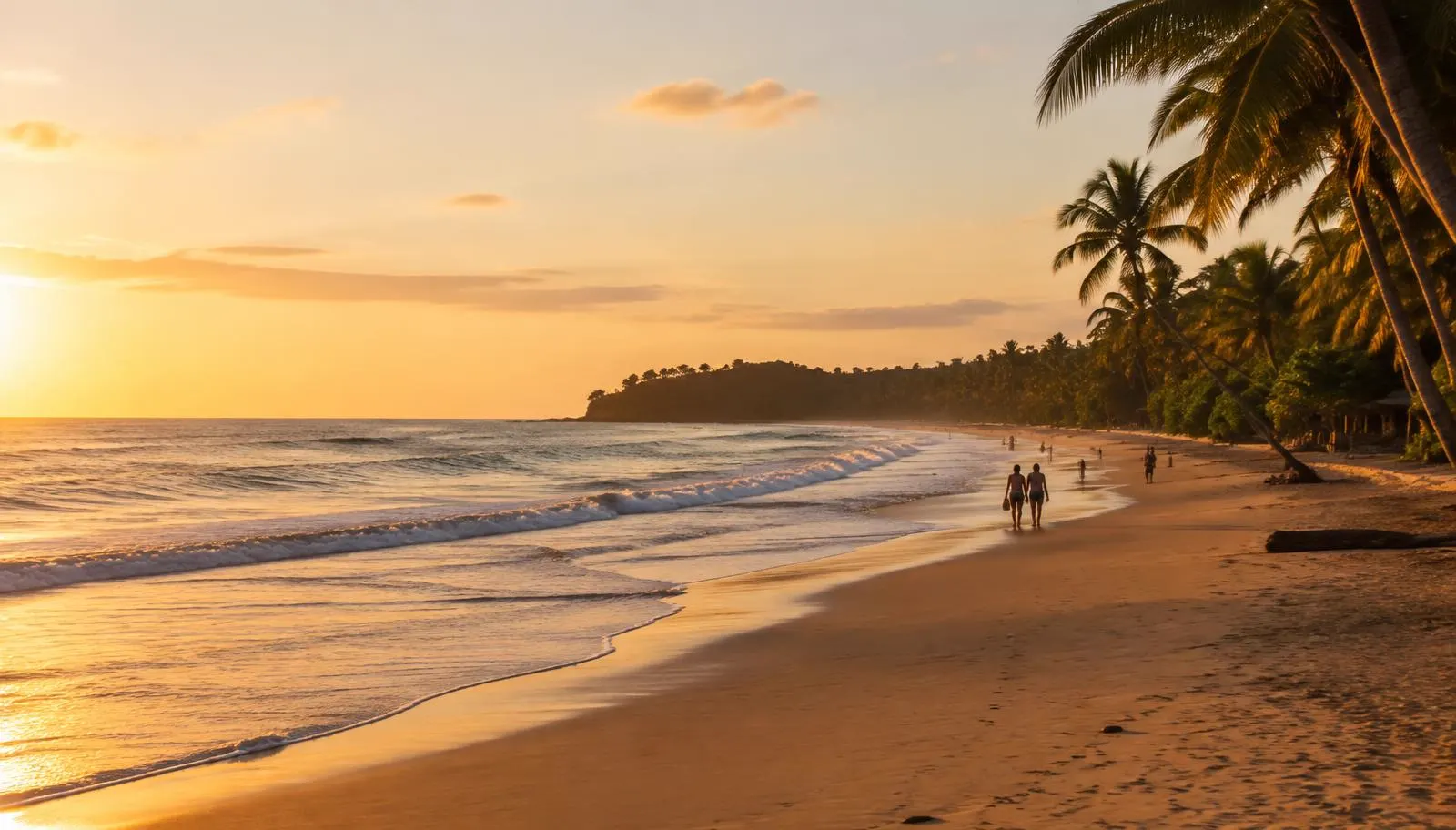
If daylight and energy allow, spend time on the beach near your accommodation. Watch the sunset without making it a deadline. After travel, an early night will likely improve the following morning more than a distant dinner reservation or a late drive.
Day 2: Take a surf lesson and slow the afternoon
Arrange a lesson with an instructor who asks about your swimming ability and experience. The instructor should select a beach section and time based on current conditions rather than a fixed promise. Playa Carmen and Playa Hermosa are often considered for lessons, but both remain exposed beaches and neither guarantees suitable beginner waves.
A first session might focus on board control, paddling and standing in broken waves. Experienced surfers can use coaching to work on wave selection or positioning instead. Ask about group size, equipment and the policy for unsuitable weather before booking.
Keep lunch and the afternoon easy. Surfing in heat can be tiring even when the lesson feels short. Spend time in shade, hydrate and choose a nearby café or a quiet reading spot. A second water session is optional, not an automatic reward for feeling enthusiastic after the first.
Day 3: Explore the coast at a thoughtful pace
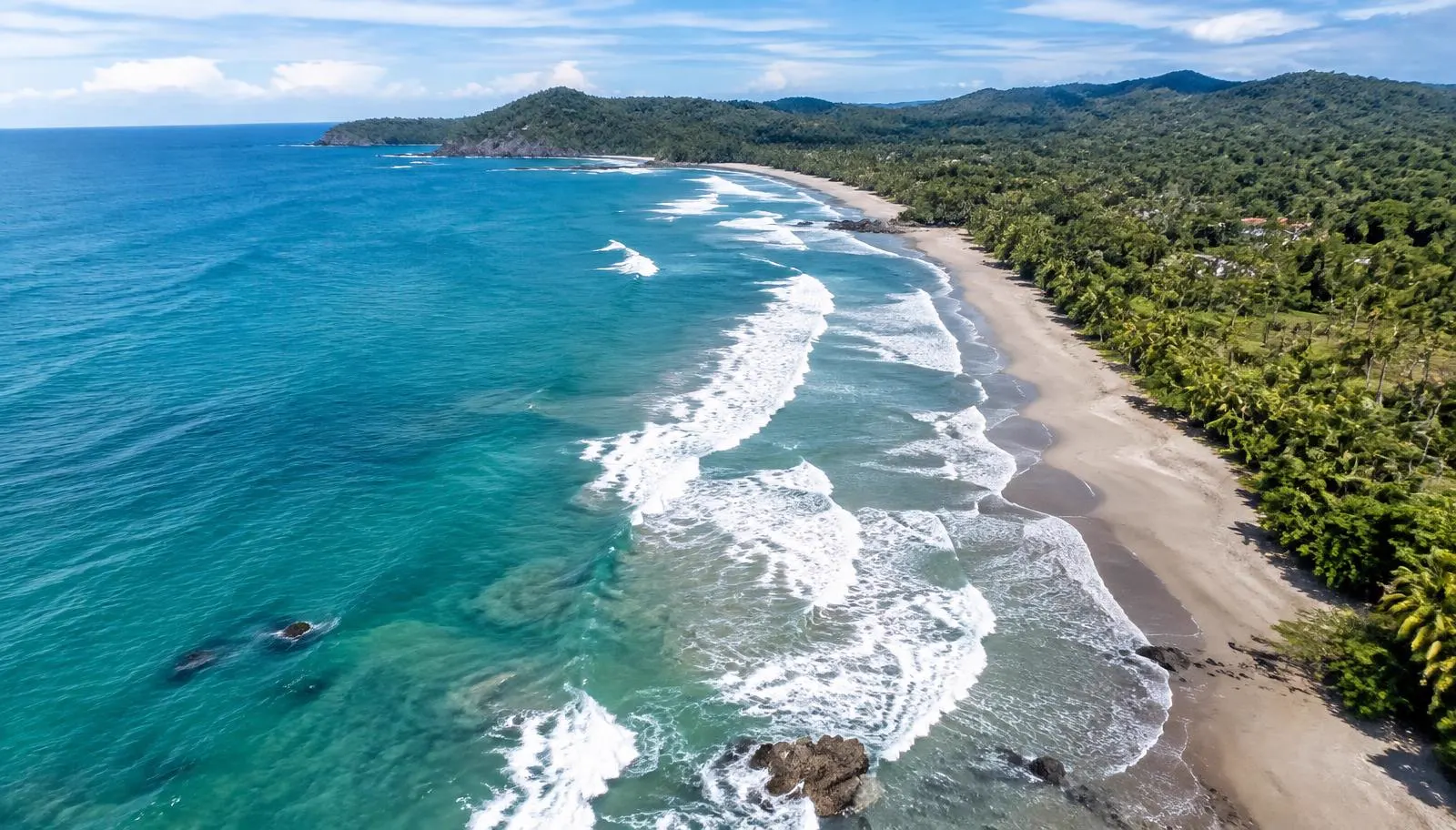
Use today to understand the beach areas rather than rushing between them. Santa Teresa, Playa Carmen and the Mal País area have different atmospheres and access points. Choose one or two stops based on current road conditions and your transport rather than treating the entire coastline as a required circuit.
Walk with attention to tide, heat and the distance back. Rocks and headlands can block a route as water rises, and a beach that looks calm from a viewpoint may still have currents. Do not plan an unsupervised swim around photographs or a general reputation. Ask locally and be prepared to stay on shore.
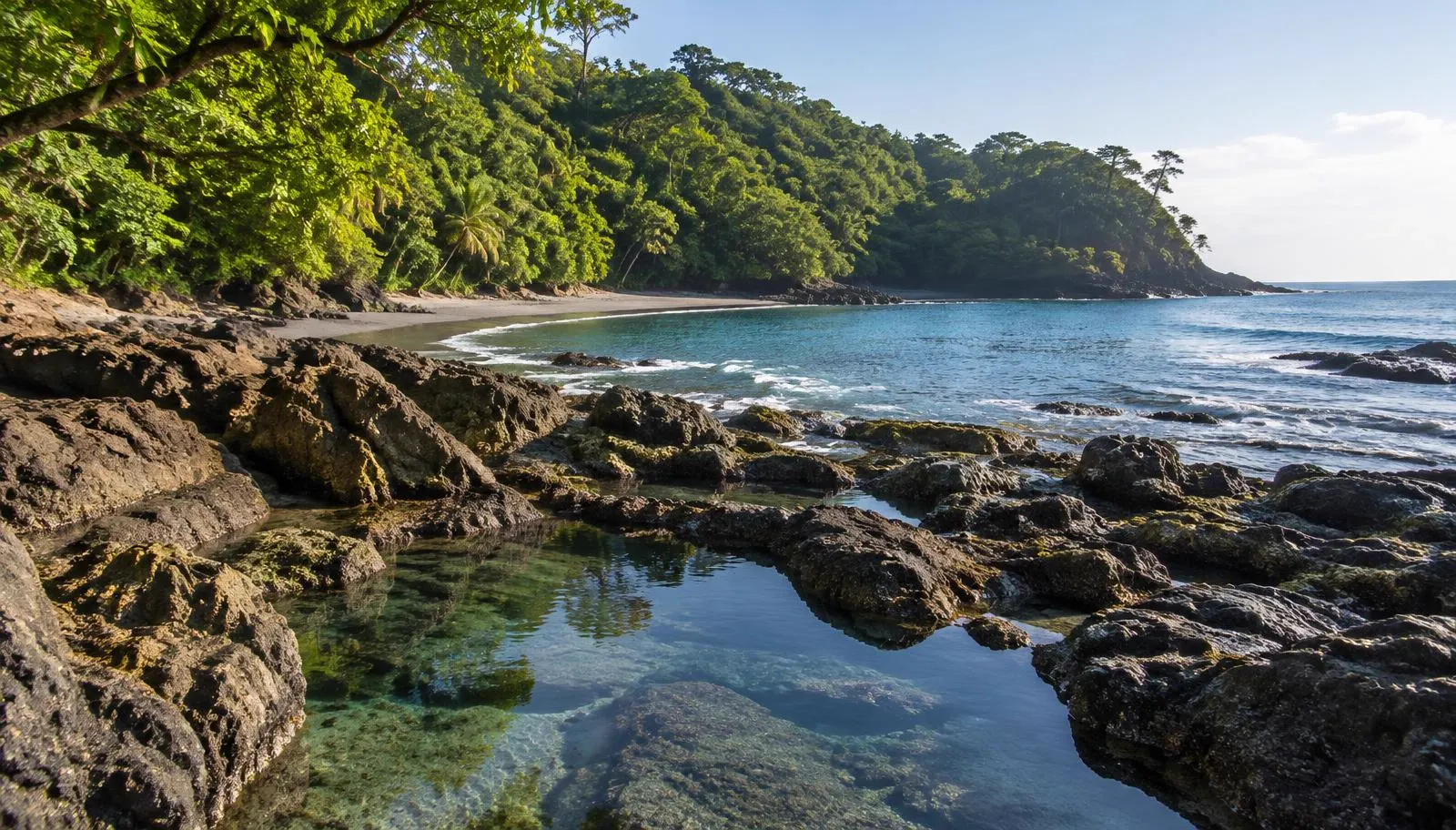
Make lunch part of the outing, then return before fatigue becomes the main feature. If you drive, use established access and legal parking. Keep beaches free of rubbish and do not take shells, disturb tide-pool animals or trespass to reach a supposedly secret spot.
Day 4: Visit Montezuma and assess the waterfalls
Leave room for an unhurried journey via Cóbano and a flexible day in Montezuma. Check current road conditions and confirm waterfall access rules, fees and trail status locally. The Montezuma day-trip guide explains the main planning questions. A waterfall visit should remain optional if heavy rain or local advice makes it unsuitable.
Expect uneven ground, wet rocks and sections that may require more balance than a casual town walk. Wear footwear with grip and carry water. Do not jump or dive into pools, and avoid entering the river when conditions are uncertain. Rain upstream can change the water even when the village seems dry.
Afterward, give the village time of its own: lunch, a browse through small shops and a walk along the waterfront. Montezuma's beach is not automatically a swimming alternative. Aim to return on familiar roads in daylight rather than adding an ambitious boat outing to an already full day.
Day 5: Choose a guided nature experience
Trade the surfboard for a forest walk or another nature-focused outing appropriate to the season. Public protected areas in the southern peninsula can offer access to forest and coastal habitats, but confirm opening arrangements, permitted activities and trail difficulty before setting out. Do not rely on an old itinerary for current entry rules.
A knowledgeable guide can help explain ecology and spot wildlife without encouraging intrusive encounters. Make clear that you prefer respectful observation: no feeding, handling or chasing animals. Wildlife sightings are never guaranteed, and learning about the landscape can be worthwhile even on a quiet day.
Pack for humidity, rain and uneven footing, and choose a route that suits the least confident person in your group. Return with enough energy for a relaxed evening. If trails close or weather deteriorates, replace the outing with a village day rather than seeking unofficial access or a riskier alternative.
Day 6: Keep a genuine choice day
Leave this day open until you know how the week has unfolded. Repeat a surf lesson, book a suitable movement session or revisit a beach you enjoyed. This is also your buffer if the Montezuma or nature day needed postponing. Avoid filling it in advance simply because an empty calendar looks unfinished.
Couples and groups do not need identical plans. Some people may want another active morning while others prefer a slow breakfast and shade. Agree on a meeting point and transport arrangements so that independence does not create extra logistics for someone else.
Browse experience ideas for possibilities, then confirm availability and conditions. ZAYA can be a helpful planning resource when weighing the remaining choices. Finish with a meal you are genuinely looking forward to, leaving enough time to pack and review the departure plan without rushing.
Day 7: Depart with a realistic buffer
Protect the journey home rather than squeezing in a distant final activity. Confirm pickup or vehicle return details, the exact airfield if flying domestically and any ferry procedures that apply. Separate transport bookings need enough margin for delays, and an overnight near the international airport may be sensible depending on your flight.
If your departure permits it, enjoy breakfast or a short walk close to your accommodation. Avoid a final ocean session that might delay packing or require wet equipment in transit. Check rooms, charging points and secure storage carefully before leaving.
The best version of this itinerary is the one that matches actual conditions and your energy. A missed outing does not make the week incomplete. Beach time, a new skill, a respectful encounter with nature and a few unhurried meals are more lasting than a schedule completed at any cost.
Frequently asked questions
Is seven days enough for Santa Teresa?
A week gives room for beach time, lessons and a couple of outings, but arrival and departure may take substantial portions of two days.
Do I need a car for this itinerary?
Not necessarily. A well-chosen base plus arranged transport can work; compare costs and convenience against your accommodation location.
Can I follow this plan in the rainy season?
Use it flexibly and check roads, river conditions and trail access locally. Keep alternatives for outdoor days.
Is this itinerary suitable for families?
Adapt surf sessions, walking distances and outings to each child, and arrange active supervision around all water.
Should I book every activity before arriving?
Reserve important arrangements when needed but preserve flexible time for weather changes and rest.
Conditions, access rules and schedules in Costa Rica change. Always confirm current details locally before you go. Spotted something outdated? Tell us.