Travel Guides · 7 min read
Hidden Gems Near Santa Teresa: Discover Costa Rica Beyond the Tourist Trail
Quieter corners of Santa Teresa, Mal País, Montezuma and the Nicoya Peninsula, and how to visit them responsibly.
By ZAYA Editorial Team · Published
Quick answer
Hidden gems near Santa Teresa are mostly quieter beaches, viewpoints, villages and trails reached by going early, travelling in the green season or asking locals. Visit responsibly, respect private land and wildlife, and check conditions first.
Santa Teresa's headline attractions are easy to find: surf, sunsets, yoga and beach clubs. But the southern Nicoya Peninsula rewards those willing to wander a little further. This guide points to the kinds of quieter places and experiences around Santa Teresa, Mal País, Montezuma and the wider peninsula, with advice on visiting them responsibly. We deliberately avoid naming sensitive wildlife sites or private land, because overexposure can harm both. Conditions, access and rules change, so verify locally before you set out.
What "Hidden" Really Means Here
Few places on the peninsula are truly secret. Most "hidden gems" are simply less crowded because they require a bit more effort, an earlier start, a different season or a slower pace. The best way to find them is rarely a list. It is curiosity, local conversation and a willingness to explore established public routes after checking access.
Keep a few principles in mind:
- Go early or late. Beaches, trails and viewpoints feel entirely different at first light.
- Travel in the green season when crowds thin out, as long as you accept some rain.
- Ask locals and your host for current advice, not just online recommendations.
- Leave no trace. Quiet places stay quiet only if visitors treat them carefully.
Around Santa Teresa and Mal País
Walk the Shoreline Beyond the Main Access Points
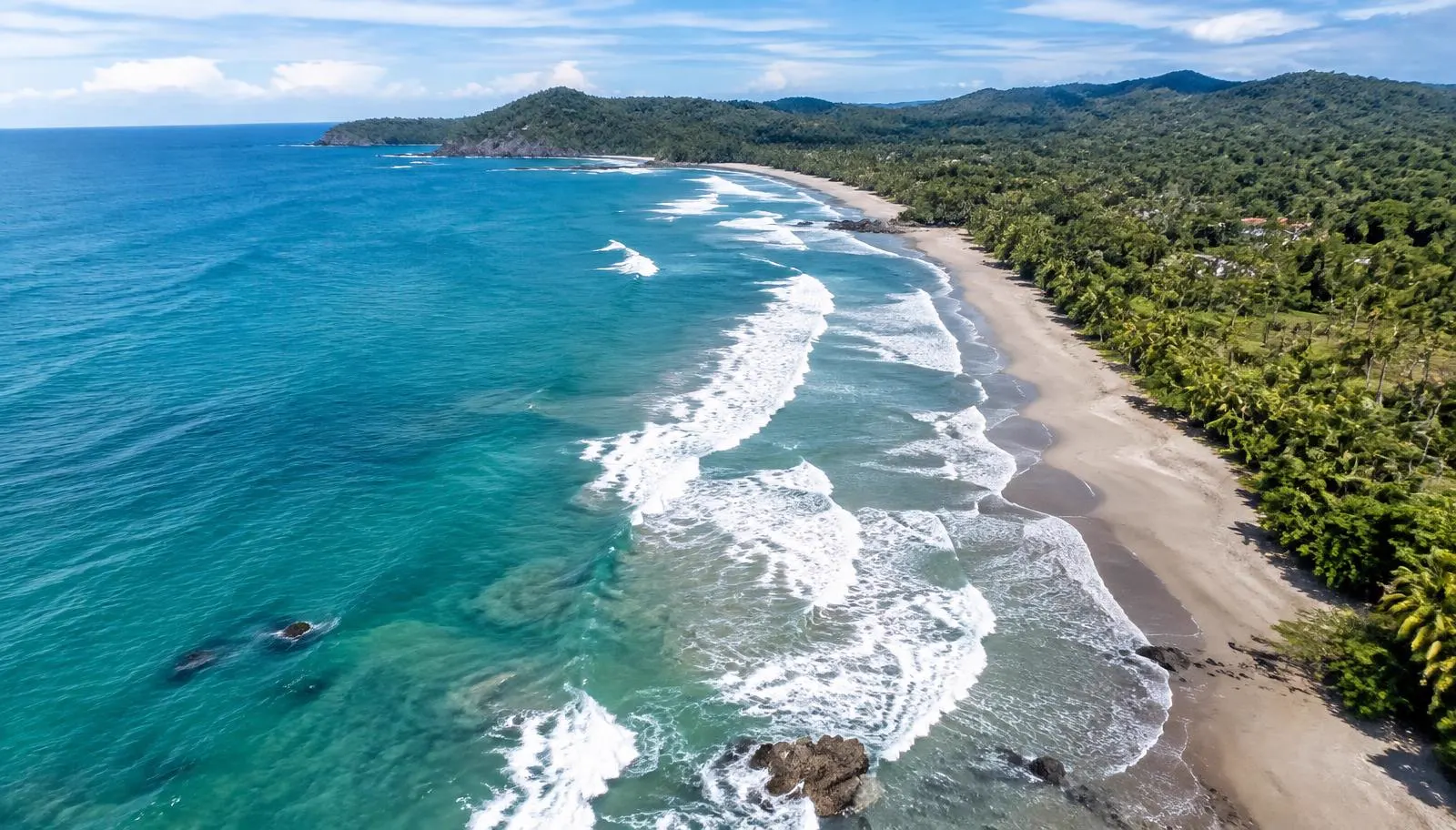
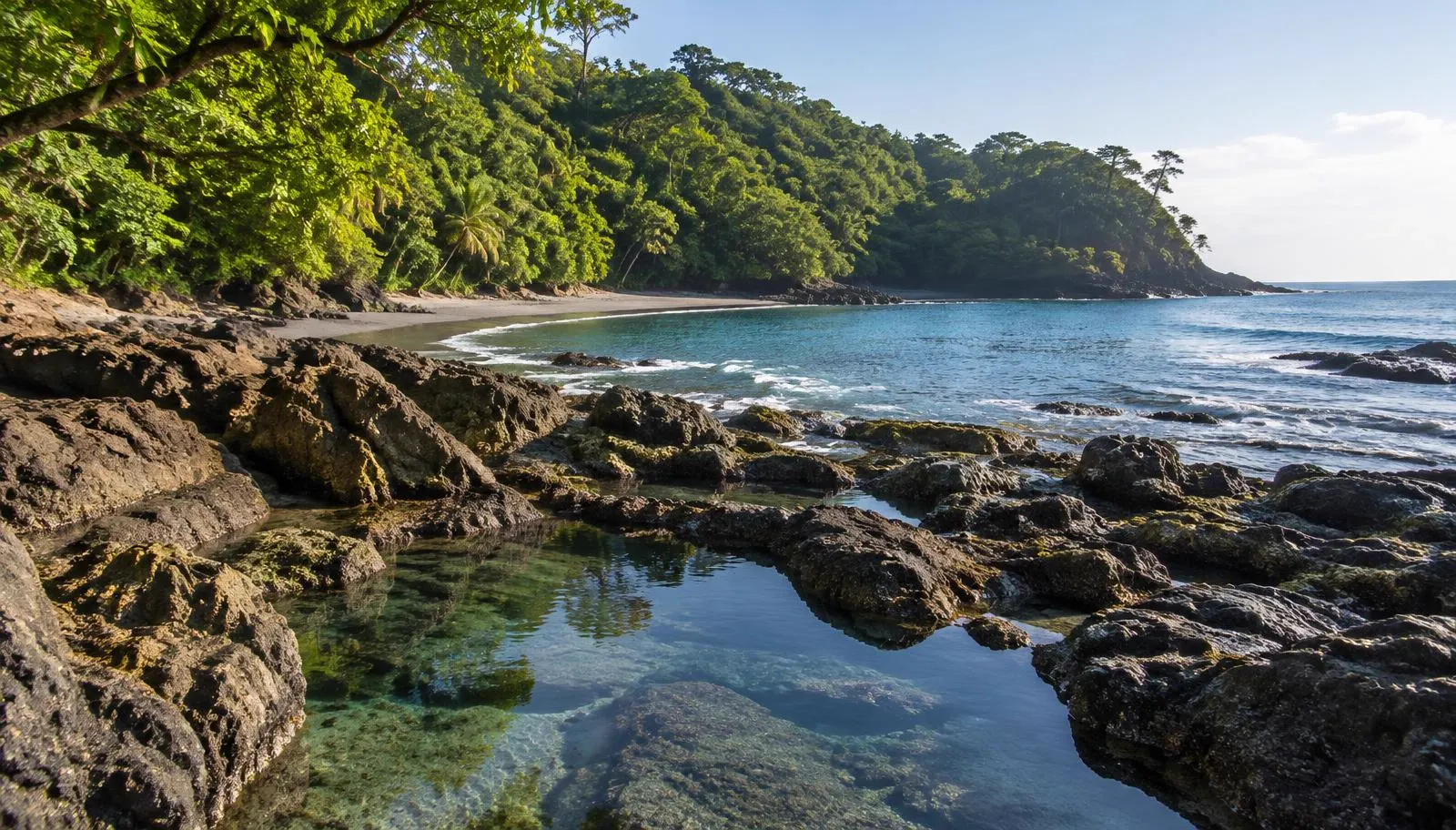
The coast stretches for kilometers, and most visitors cluster near the busiest beach entrances. Walking a little farther in either direction often brings emptier sand, rock formations and tidal pools. Plan walks around the tide, because some rocky sections become impassable when the water rises, and never turn your back on the waves. Strong currents are common, so enjoy the scenery rather than assuming it is safe to swim.
Explore Mal País's Quieter Side
Mal País, to the south, has a more laid-back fishing-village character than the busier parts of Santa Teresa. Its rocky shoreline, small eateries and slower pace suit travelers who want fewer crowds. Try a morning stroll, a simple local lunch and an unhurried sunset. Our guide to the best beaches explains how the shoreline changes along this stretch.
Seek Out Viewpoints and Elevated Roads
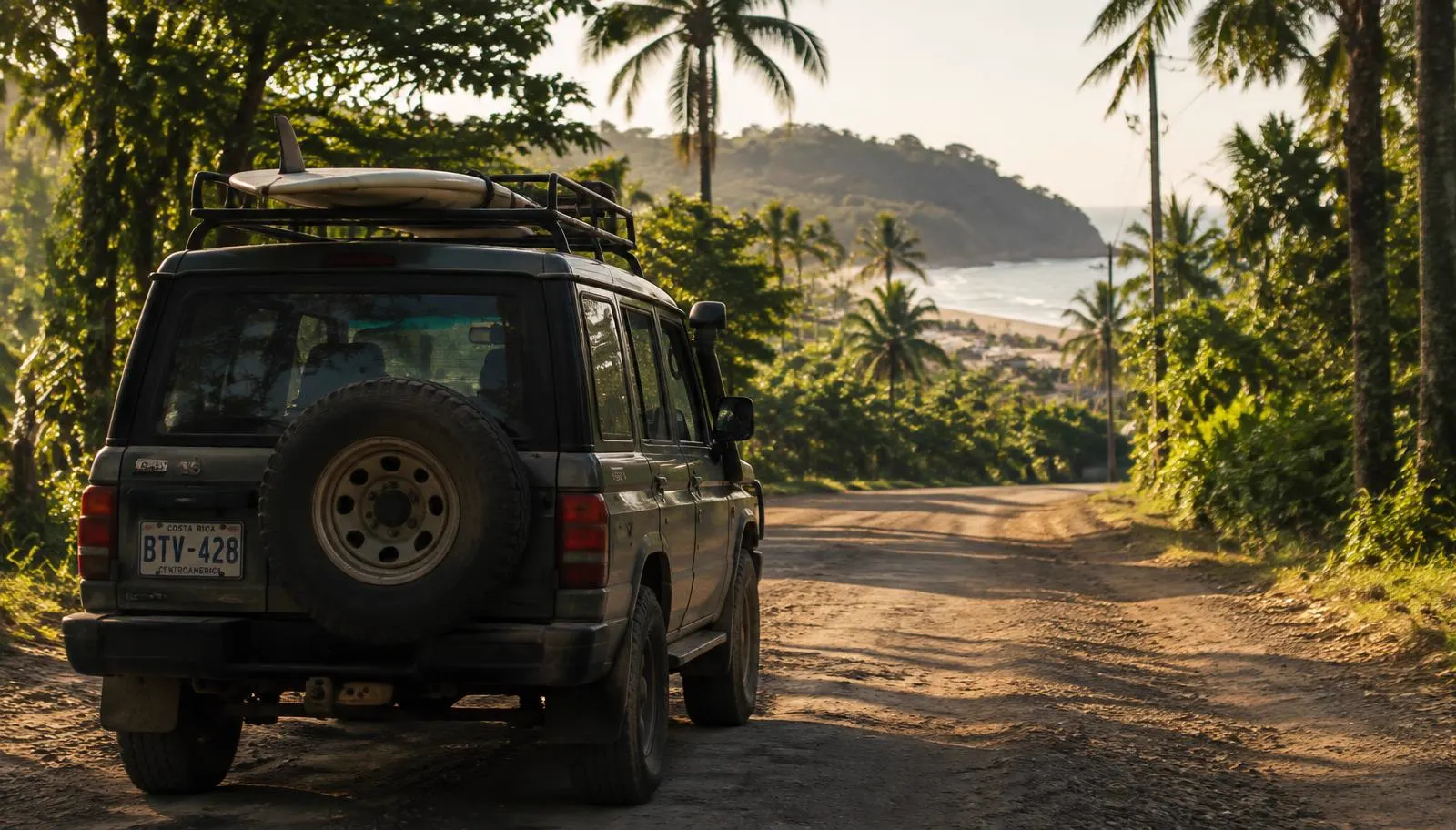
Higher up the hills behind the coast, some roads and lodgings open onto sweeping views of forest and ocean. These can be spectacular at sunrise or sunset. Roads are often steep and unpaved, so consider a suitable vehicle, avoid driving at night, and check recent conditions with locals.
Find Small, Independent Food Stops
Beyond the main strip, family-run sodas, bakeries and small cafés offer simple, honest food at a relaxed pace. Ordering a casado or fresh fish and chatting with staff is often the most memorable meal of the trip. Support small businesses when you can, and carry some cash in case card machines are unavailable.
Toward Montezuma and the Southern Tip
Waterfalls and Natural Pools
The area around Montezuma is known for waterfalls and river pools set in forest. They can be crowded at midday, so visit early, wear proper footwear and follow posted rules. Water levels and trail conditions vary with the season, and rocks can be slippery. See our Montezuma waterfalls day trip guide for practical planning tips.
Small Villages and Quiet Coves
Villages on the way, with their small shops, cafés and artisan stalls, make appealing stops. Some stretches of coastline nearby have small coves and beaches with a calmer feel. Access can be via rough tracks or short walks, so go prepared with water, sun protection and shoes you can walk in.
Protected Forest and Coastal Reserves
The southern tip of the peninsula includes protected natural areas well suited to hiking and birdwatching. Rules about opening days, visitor numbers and trail access can change, so check official information before you go. Staying on the trails and following ranger guidance helps protect fragile ecosystems.
The Wider Nicoya Peninsula
Quiet Beaches and Fishing Towns
Farther afield, the Nicoya Peninsula holds a string of beach towns, each with its own personality, from tiny fishing communities to surf outposts and laid-back resort villages. Drives can be long and conditions variable, so treat these as longer excursions or stops on a bigger route. Our Santa Teresa travel guide gives context for the region.
Rural Life and Local Culture
Inland, you will find farms, small communities and traditions connected to cattle, farming and the sea. Travelers who stop for a coffee, a roadside fruit stand or a local festival, if timing allows, often gain a fuller sense of the peninsula. Always ask before taking photographs of people, and buy from local producers where you can.
Stargazing and Quiet Nights
Away from the busiest areas, night skies can be remarkably clear, particularly in drier months. Bring a light layer and insect repellent, and consider asking your accommodation about safe, low-light spots.
How to Get Off the Beaten Path
Reaching quieter places often takes some thought. You have several choices.
- Rent an ATV for short, flexible exploring on local back roads. Wear a helmet, keep to public roads and tracks, and never ride onto private property. See ATV rental options.
- Rent a car, ideally with higher clearance, for longer day trips. Check the car rental page and confirm insurance and road advice with the provider.
- Hire a driver or guide if you prefer not to navigate rough roads, especially at night or in heavy rain. Private transfers can help with longer legs.
- Join a guided experience with a local operator who knows current conditions. Browse the experiences page for ideas.
For a broader list of activities, take a look at our best things to do in Santa Teresa.
Travel Responsibly
Quiet places are fragile, and a few simple habits make a big difference:
- Take everything out with you, including food scraps and small items of litter.
- Keep your distance from wildlife. Do not feed, touch or chase animals, and avoid flash photography at night.
- Do not share exact locations of sensitive sites such as nesting areas or roosts on social media, and avoid geotagging them.
- Respect private land. If a gate is closed or signage says no entry, turn around.
- Use sun protection and avoid disturbing tidal pools.
- Be mindful of water and power use, as supplies can be limited in some areas.
- Hire local guides and buy local goods so that tourism benefits the community.
Safety on Less-Traveled Routes
Remote does not have to mean risky, but it does call for extra care. Tell someone your plans, carry water, charge your phone and download offline maps. Cell coverage can be patchy. Check tide times before beach walks, and avoid river crossings after heavy rain, since water can rise quickly. Do not leave valuables in parked vehicles, and avoid driving unfamiliar roads after dark. If you are unsure about a route, ask locally.
Sample Quiet Day
Here is one way to shape an unhurried day:
- Start with an early beach walk at low tide.
- Have breakfast at a small local café.
- Drive or ride to a viewpoint or trailhead before the midday heat.
- Stop for a simple lunch in a small village.
- Spend the afternoon resting or swimming only where it is clearly safe.
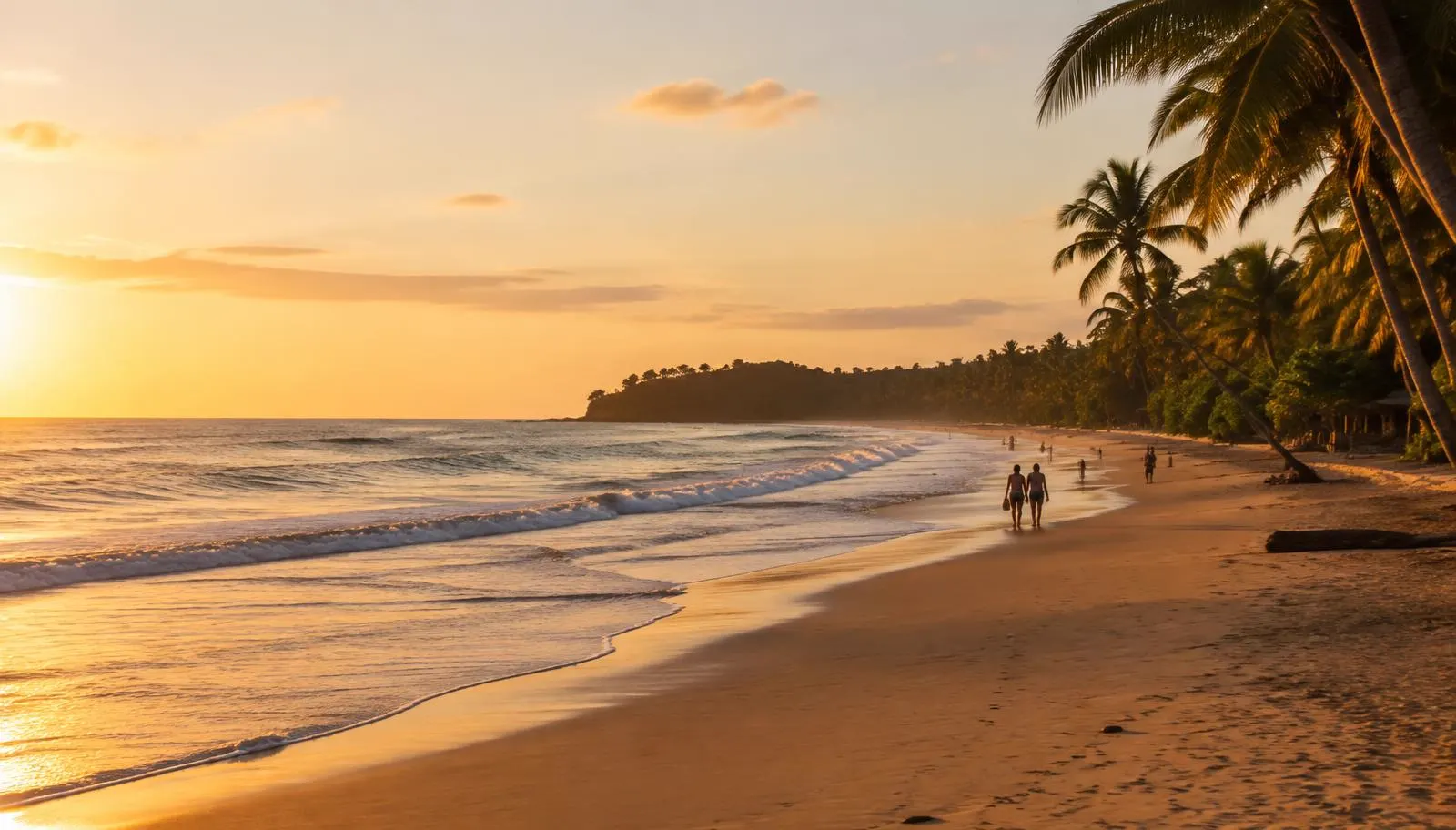
- Catch sunset at a quiet stretch of sand and head home before dark.
If you are building a longer plan, our 7-day Santa Teresa itinerary can help you fit these ideas around the bigger sights. ZAYA can also be a useful planning resource when you are weighing logistics.
Final Thoughts
The best hidden gems around Santa Teresa are often moments rather than places: an empty beach at dawn, a conversation with a local cook, or a forest trail with only birdsong for company. Slow down, travel gently and stay curious, and the peninsula tends to reward you.
Frequently asked questions
Are there really hidden places near Santa Teresa?
Few places are secret, but many are quieter because they need more effort, an early start or a visit in the green season.
Why don't you name sensitive wildlife sites?
Publicizing nesting or roosting areas and private land can lead to disturbance or trespassing. Ask local guides about responsible options.
Do I need a guide to explore off the beaten path?
Not always, but a local guide or driver can help with rough roads, tides and current conditions, and can reduce your impact.
Is it safe to explore remote areas?
Usually, with preparation. Check tides and weather, carry water, avoid night driving on unfamiliar roads and keep valuables out of parked vehicles.
When is the best time to find quieter spots?
Early mornings and the green season, roughly May to November, are typically quieter, though rain and road conditions need consideration.
Conditions, access rules and schedules in Costa Rica change. Always confirm current details locally before you go. Spotted something outdated? Tell us.