Beaches · 7 min read
Best Beaches in Santa Teresa and Mal País, Costa Rica
A beach-by-beach look at Santa Teresa and Mal País, with notes on surf, sunsets, access, seasons and safety.
By ZAYA Editorial Team · Published
Quick answer
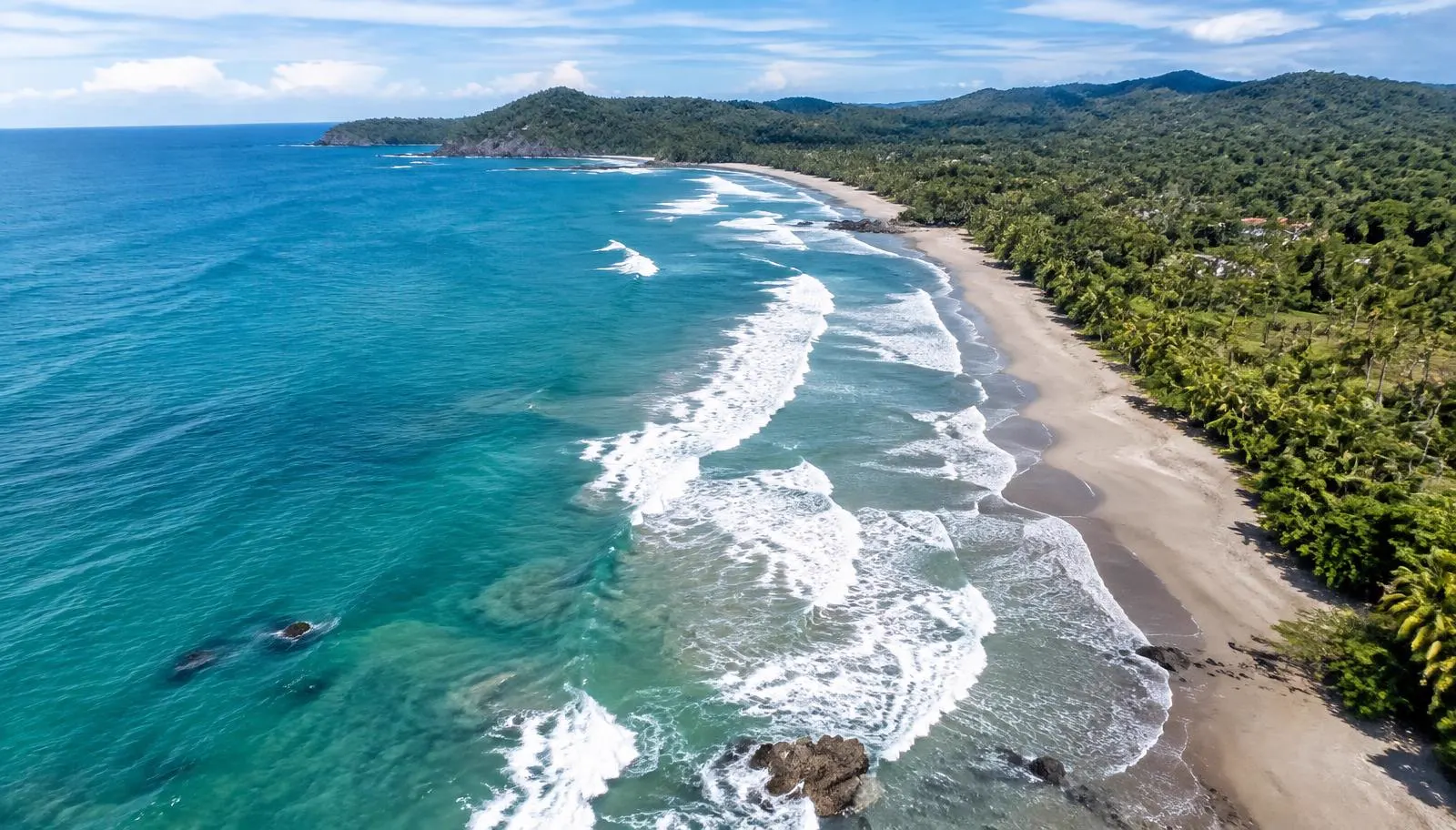
The main beaches are Playa Santa Teresa, Playa Carmen, Playa Hermosa and the rocky shoreline of Mal País. They suit surfing, walking and sunsets more than calm swimming, and rip currents are common, so ask locals about conditions.
The beaches around Santa Teresa and Mal País are some of the most striking on Costa Rica's Pacific coast: long, wild, backed by forest and often nearly empty at the edges. They are better known for surf and sunsets than for calm swimming, so it helps to know what each stretch offers before you arrive. Conditions change with tides, swell and season, so use this guide as general orientation and ask locally each day.
A Quick Word on Ocean Safety
Before the beach-by-beach tour, one essential point. Many beaches here are exposed to open Pacific swell, and strong currents and rip currents are common. Lifeguards should not be assumed. A few habits help:
- Ask first. Your accommodation, a surf school or a local can tell you where conditions are calmer that day.
- Swim near others and never alone, and keep children within arm's reach.
- Learn the rip current rule. If caught, stay calm, do not fight the current, swim or float parallel to the shore, then angle back in. Wave or call for help.
- Respect tides. Rocky areas can be cut off at high tide.
- Avoid swimming at dusk or after heavy rain or large swell.
Playa Santa Teresa
Playa Santa Teresa is the heart of the town's beach scene. It is a long stretch of sand lined with surf schools, casual restaurants and hotels, and it is where many visitors take their first lessons or watch the sunset. Access is generally from several points along the main road, often on foot.
Best for: surf, people-watching, sunsets, beachfront dining. Swimming: variable. There can be strong currents, and conditions depend on tide and swell. Beginners are usually better off learning with an instructor than wading in alone.
Playa Carmen
Playa Carmen lies near the central crossroads and merges with Playa Santa Teresa along the coast. It has an accessible, lively feel, with surf breaks, shops and cafés close at hand. Many visitors find it convenient for a morning surf and a relaxed lunch.
Best for: surfing, convenience, an easy first beach day. Swimming: variable, with currents and rocks in places. Take local advice.
Playa Hermosa
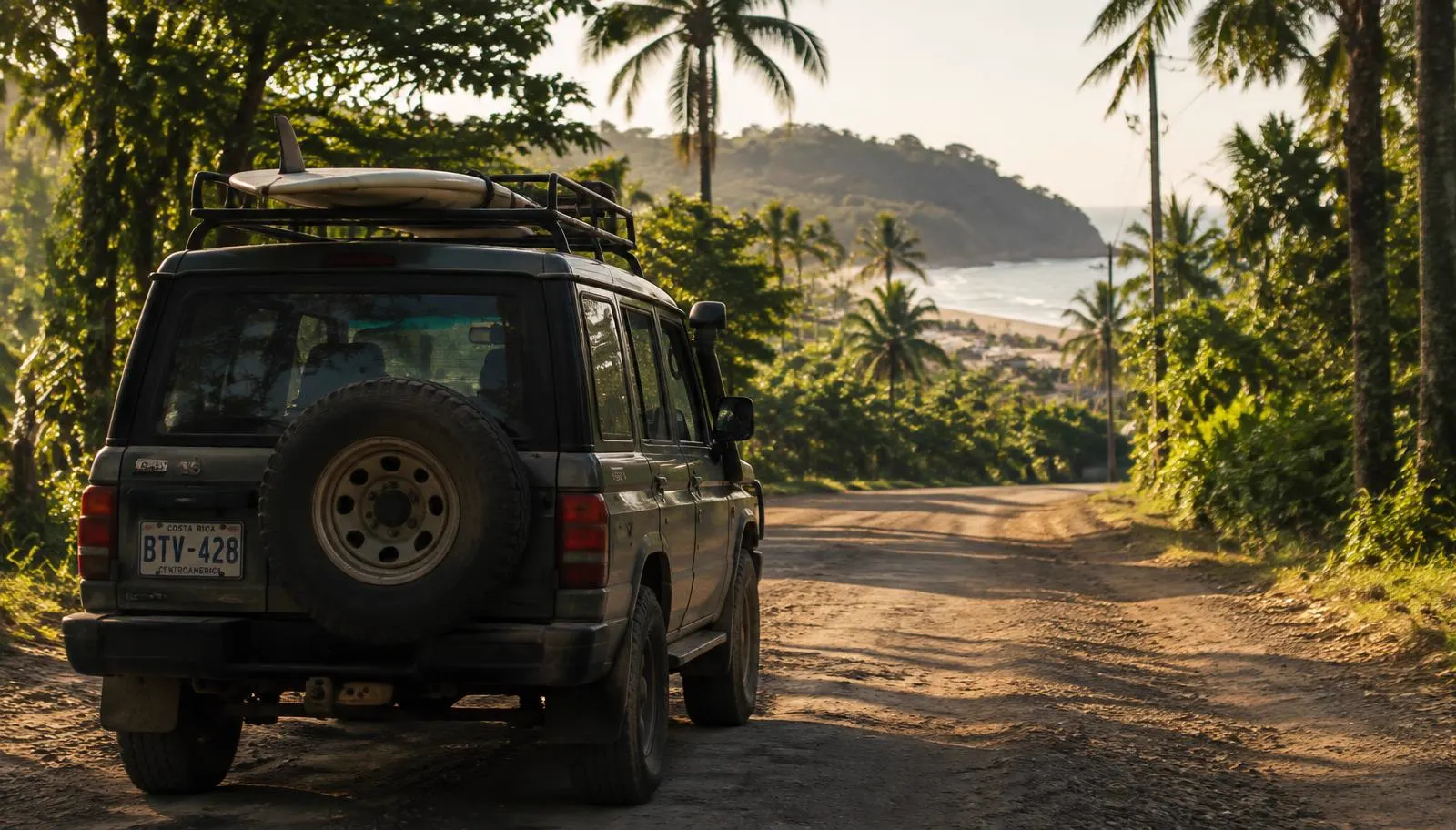
Playa Hermosa is farther north and is often described as quieter and more spread out. It is popular with surf schools because of its sandy bottom and a long beach with multiple peaks, and the surroundings feel more residential and green. Distances from town can add up, so plan how you will get there. Rough roads in the green season can be challenging, so consider the right vehicle or a private transfer.
Best for: beginner and intermediate surf, a calmer feel, long walks. Swimming: currents can strengthen in places, and sections can vary. Stay where instructors or locals recommend.
Mal País
Mal País, at the southern end of the strip, has a rockier, more rugged shoreline and a fishing-village atmosphere. Today it is known for its relaxed pace, surf breaks and sunsets. Some stretches are better for exploring and photography than for swimming.
Best for: sunsets, quieter evenings, surf for those with experience, tidal pools. Swimming: limited in many rocky areas. Look, explore and stay aware of the waves.
Other Beaches Worth Knowing
Playa Manzanillo and Beaches North
North of Playa Hermosa, the coast continues into quieter, less developed stretches with small communities and rocky coves. Access can involve rough tracks, so check with locals first and avoid driving unfamiliar roads at night. For more offbeat ideas see our guide to hidden gems near Santa Teresa.
Beaches Near Cabuya and the Southern Tip
Around the tip of the peninsula, the scenery shifts with calmer bays in places and a protected-forest backdrop. Some beaches in this area are part of or beside protected zones, so check current access rules and respect any restrictions.
Playa Montezuma Area
On the gulf side, Montezuma has a different personality, with a village feel, cafés and beaches that can be a nice change from the open Pacific. It also serves as the base for waterfall hikes. Our Montezuma waterfalls day trip guide explains what to consider.
Beaches by Interest
- For learning to surf: Playa Hermosa and the more accessible parts of Playa Santa Teresa and Playa Carmen are commonly used by schools. Book with an instructor who selects the spot daily.
- For sunsets: almost any west-facing stretch works, and Mal País and Playa Santa Teresa are favorites.
- For walking: the long, gentle curves of Santa Teresa and Hermosa are good at low tide.
- For tidal pools: rocky areas near Mal País and parts of Santa Teresa at low tide, with caution.
- For quiet: go early, travel in the green season or walk beyond the busiest entrances.
- For families: choose calm-looking spots with local advice, keep children close and consider pools at your accommodation for relaxed swimming.
Surf at a Glance
The coast offers a spread of beach breaks and rock-influenced waves. In general, the dry season, roughly December to April, tends toward cleaner and often smaller conditions that suit beginners, while the green season, roughly May to November, can bring bigger swell and more powerful waves. Wind, tide and swell direction all matter. For more, see the surfing guide.
Sunset and Photography
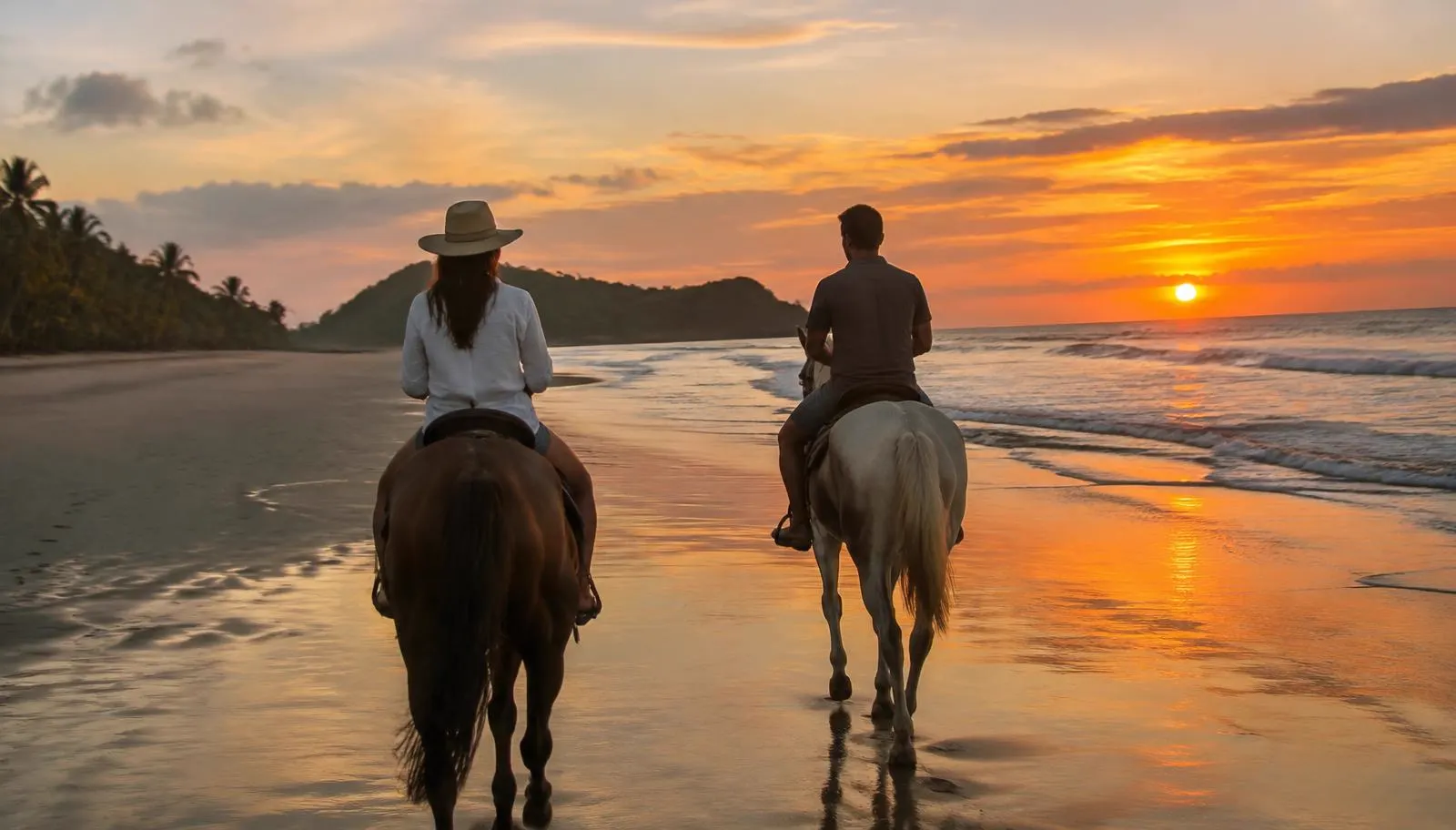
Sunset is a daily highlight, and the best views are usually from open sand or rocky points facing west. Arrive early to enjoy the changing light, stay aware of the tide and bring a flashlight or phone light for the walk back. The soft light just after sunrise is also lovely and much quieter.
Access and Logistics
Most beaches are reached from the main road on foot, often through short paths between properties. Parking is limited in places, and unattended vehicles are a theft risk, so never leave valuables inside. If you prefer not to drive, consider walking, a taxi or an ATV. You can compare ATV rental and car rental options. Some beach spots may be accessible only at lower tide.
When choosing where to stay, think about how close you want to be to the sand. A property near the beach is convenient for morning surf and sunset, while a hillside stay may offer views but require transport. You can browse options on the stays page.
Seasons and Beach Conditions
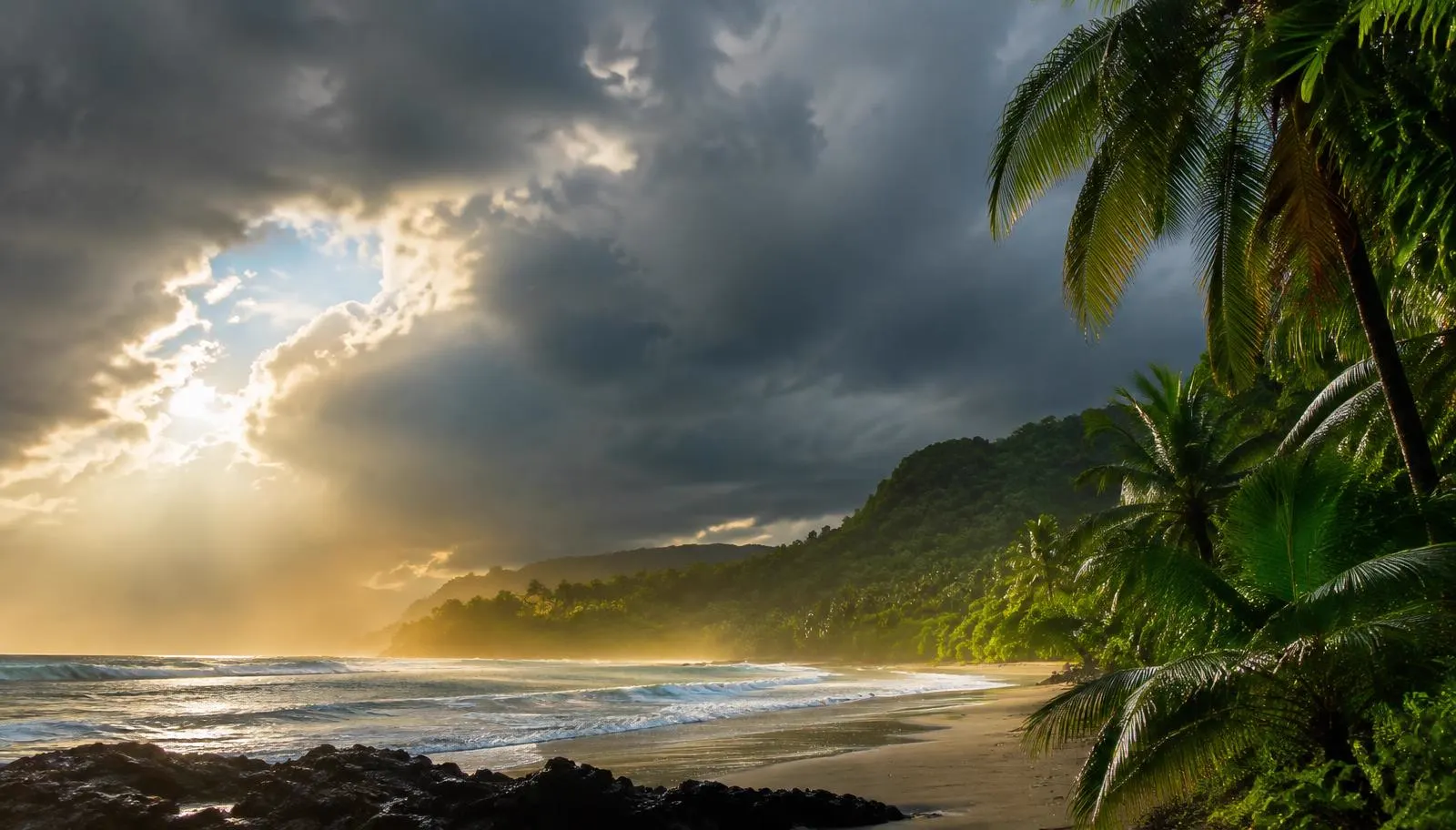
During the dry season, mornings are typically bright and the sea tends to be cleaner and clearer, though beaches can be busier. In the green season, afternoon showers are common, vegetation is lush and crowds thin, but swell can be larger and water clarity can vary after heavy rain. These are long-term seasonal patterns, not forecasts, so check current conditions before you go. Our guide to the best time to visit Santa Teresa explains the patterns in more depth.
Beach Etiquette and Responsible Visiting
- Take all trash with you, including cigarette butts.
- Use sun protection and avoid disturbing tidal pools.
- Respect wildlife, including birds and crabs, and keep distance.
- Keep dogs and music under control.
- Do not remove shells, coral or sand.
- Give surfers space, and learn basic lineup etiquette before paddling out.
- Avoid driving on the beach.
What to Pack for a Beach Day
Bring sun protection, a hat, a rash guard, a reusable water bottle, sandals you can walk in, a dry bag and a small towel. A light layer helps for sunset breezes, and insect repellent is useful near dusk. Keep valuables to a minimum.
Planning Help
Choosing a beach is part of a larger plan. If you would like to link beaches with accommodation, transport and activities, ZAYA can be a helpful planning resource, and our Santa Teresa travel guide gives the bigger picture.
Final Thoughts
The beaches here are wild and beautiful rather than tame. Treat them with respect, ask local advice, and you can enjoy sunrise walks, golden-hour sunsets and spirited surf sessions. Go slowly, stay aware of the water, and let the coastline set the pace.
Frequently asked questions
What is the best beach in Santa Teresa?
It depends on your goals. Playa Santa Teresa and Playa Carmen suit surf and sunsets, Playa Hermosa suits lessons and long walks, and Mal País suits quieter evenings.
Is swimming safe at Santa Teresa beaches?
Take care. Strong currents and rip currents are common and lifeguards should not be assumed. Ask locals for daily advice and avoid swimming alone.
What should I do if caught in a rip current?
Stay calm, do not fight it, float or swim parallel to the shore until free, then angle back in. Signal for help if needed.
Which beach is best for beginner surfers?
Schools often use Playa Hermosa and accessible parts of Santa Teresa and Carmen. Book a lesson and let the instructor choose the spot.
When are the beaches least crowded?
Early mornings and the green season, roughly May to November, are typically quieter. Check current conditions before you travel.
Conditions, access rules and schedules in Costa Rica change. Always confirm current details locally before you go. Spotted something outdated? Tell us.