Surfing · 7 min read
Surfing in Santa Teresa: Best Spots, Seasons and Tips for Every Level
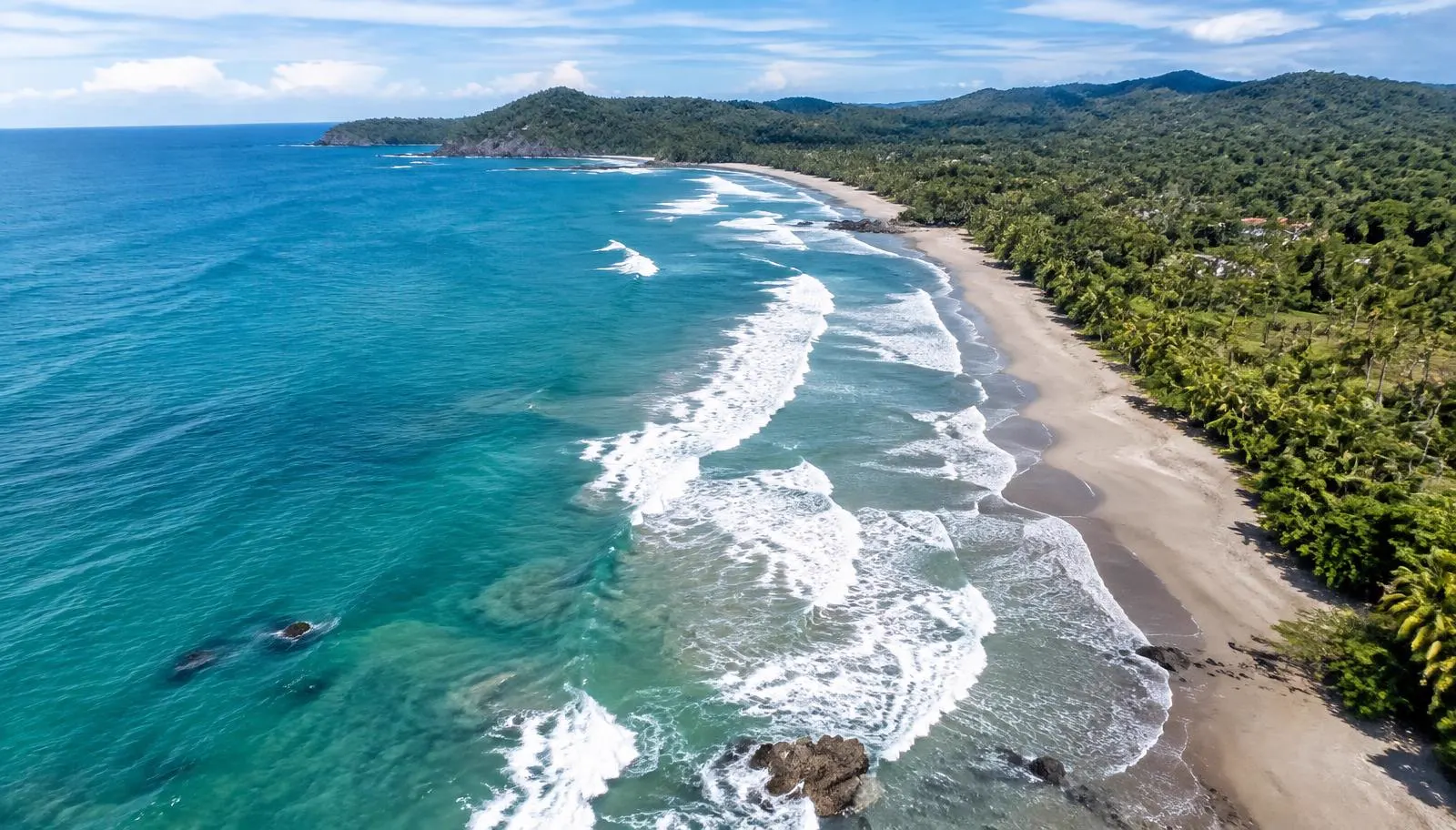
Santa Teresa has exposed Pacific beach breaks whose suitability changes with swell, tide, wind and shifting sandbars.
By ZAYA Editorial Team · Published
Quick answer
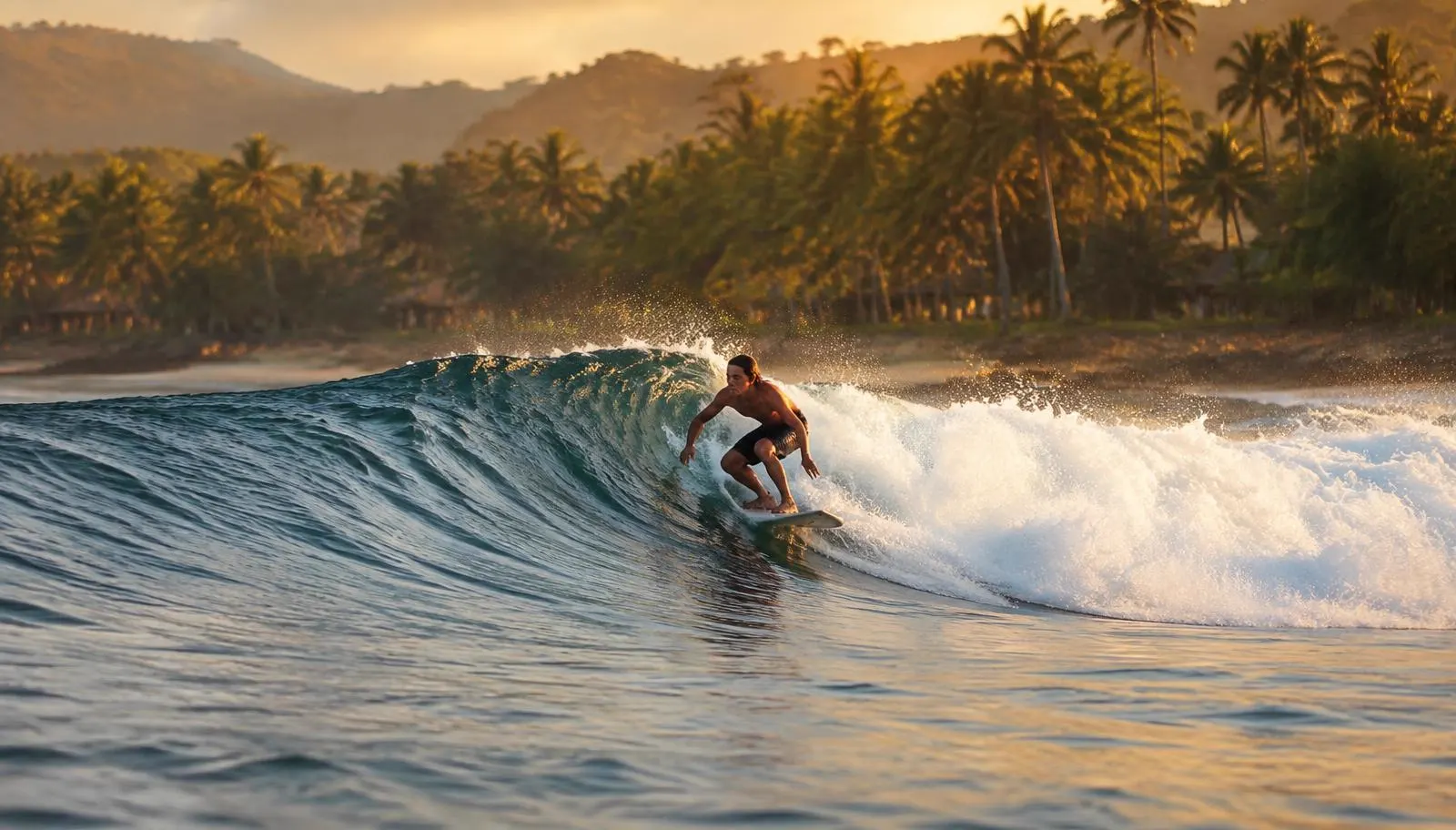
Santa Teresa has exposed Pacific beach breaks whose suitability changes with swell, tide, wind and shifting sandbars. Beginners should take a lesson with a qualified instructor, while experienced surfers should assess each session locally rather than relying on a beach name.
Understand the coastline before choosing a wave
Santa Teresa is a surf destination, not a single predictable break. Waves arrive along a broad Pacific-facing coastline, and the same stretch of sand can offer manageable whitewater one day and powerful surf the next. Sandbars shift, channels move, and a photograph tells you little about today's currents. Start with observation and local advice rather than a fixed list of must-surf spots.
Choose accommodation partly around the beach access you will actually use. Walking distance on a map may conceal a steep approach or an awkward road crossing with a board. The Santa Teresa travel guide helps place the different areas in context. A good trip leaves enough flexibility to move a session, change beaches or simply stay out.
Where different surfers might start
The central Santa Teresa beachfront has multiple peaks rather than one universally defined takeoff zone. That variety appeals to experienced surfers, but it also makes choosing an entry point important. Watch several sets from shore, identify exits and ask about currents before paddling out. A clear channel is not automatically a safe route.
Playa Carmen, toward the southern end of the main beach area, is frequently used for lessons when conditions suit. Its reputation does not make every tide or swell beginner-friendly. Instructors may work in broken waves close to shore or choose another section entirely. Do not interpret the presence of a surf school as permission to enter independently.
Playa Hermosa, north of Santa Teresa, is another broad beach often considered for instruction and progression. It remains exposed to Pacific swell and can become powerful. Mal País has rocky sections and more complicated entries; it is not an automatic alternative for a novice. Avoid following other surfers into unfamiliar reef or rocky areas.
Seasons: useful patterns, not promises
The drier season typically runs from roughly December through April, with the wetter season generally extending through the remaining months. Southern Pacific swell often becomes more substantial during the wetter months, while smaller days can occur in the dry season. Neither pattern guarantees appropriate waves for your ability, and larger swells can arrive outside the expected window.
Wind matters alongside swell size. Morning sessions sometimes benefit from lighter winds, but local patterns vary. Afternoon rain, storms and changing wind can alter a beach quickly. Check a current marine forecast, then compare it with what is happening on the shore. A forecast is a planning aid, not a safety assessment.
If you are choosing travel dates, balance wave ambitions against road access, rain tolerance and rest days. Our seasonal planning guide offers broader context. Do not book a beginner holiday around a promise of consistently small surf.
Choosing lessons and setting realistic goals
A good first lesson starts with conversation: swimming ability, previous experience, comfort in moving water and any relevant health limitations. Ask about instructor training, first-aid knowledge, group size and how the operator decides to postpone. Clear explanations and conservative decisions matter more than a promise that everyone will stand up.
Expect instruction on board handling, lying position, paddling, falling away from the board and protecting your head. Ocean awareness should be part of the session, not an optional extra. A beginner can make meaningful progress learning to control a board in whitewater without reaching unbroken waves.
For returning surfers, describe your actual experience rather than using only labels such as intermediate. Explain the waves you normally ride and the conditions you avoid. Focused coaching can address positioning, wave selection and controlled turns. Leave recovery time between sessions, especially when heat, travel fatigue and unfamiliar currents add to the physical effort.
Etiquette keeps crowded sessions workable
The surfer closest to the breaking part of an unbroken wave generally has priority. Do not drop in on someone already riding, and do not paddle around others to repeatedly take priority. At busy peaks, watch how people are sharing waves and avoid assuming that being more assertive earns a turn.
Paddle away from the rider's line when possible, communicate clearly and keep control of your board. Never abandon it casually in front of another person. Beginners working with an instructor should stay in the area chosen for the lesson rather than drifting into a busy lineup.
Respect applies on shore too. Keep beach access clear, take rubbish away and avoid photographing strangers at close range without permission. A friendly attitude helps, but it does not replace understanding priority or making conservative decisions. If the lineup feels beyond your ability, choosing another activity is responsible surfing.
Boards, protection and rental checks
A larger, stable soft-top is often useful for a first lesson, although the instructor should match equipment to your size and the conditions. More experienced visitors should discuss volume and board shape rather than choosing solely by length. The board that works at home may feel different in punchier beach-break waves.
Inspect a rental board before leaving: note existing damage, check fins and make sure the leash suits the board. Understand the return policy and damage terms. Ask how boards may be transported, and secure them with appropriate racks and straps rather than improvising a road setup.
Sun exposure can be intense even under cloud. Use suitable sun protection, a comfortable rash guard and drinking water between sessions. A leash is not a flotation device or a substitute for swimming ability. Avoid alcohol before entering the ocean, and do not leave valuables unattended on the sand.
Build an ocean-aware daily routine
Check conditions again each time you enter. Identify landmarks, keep track of your position and know where you intend to come ashore. Stay well clear of rocks and leave the water if lightning threatens. If you encounter a current you cannot manage, conserve energy, signal for help and avoid exhausting yourself fighting directly against it.
Do not assume lifeguards or immediate rescue are available. Surf with appropriate company, tell someone your plan and avoid isolated sessions beyond your ability. Families should arrange active shore supervision rather than expecting a lesson instructor to supervise everyone on the beach.
Keep non-surf options ready through the experiences page. ZAYA can be a helpful planning resource when balancing lessons, transport and quieter days. The best surf itinerary is one that lets actual conditions decide when you paddle out, not one that treats every booked day as an obligation.
Frequently asked questions
Is Santa Teresa suitable for beginner surfers?
Lessons can be suitable when an instructor selects appropriate conditions; the coastline is exposed and no beach is consistently safe for beginners.
When is the surf biggest?
Wetter-season southern swells often bring more size, but individual forecasts and local observations matter more than the month.
Should I bring my own board?
Compare airline rules, transport arrangements and rental options; familiar equipment can help experienced surfers, while lessons commonly include a suitable board.
Can I surf at any tide?
Tide affects sandbars, shorebreak and currents differently along the beach. Ask locally and assess the specific break before entering.
Conditions, access rules and schedules in Costa Rica change. Always confirm current details locally before you go. Spotted something outdated? Tell us.