Travel Guides · 8 min read
Santa Teresa, Costa Rica: The Ultimate Travel Guide for 2026
Everything you need to plan a trip to Santa Teresa, from beaches and surf to transport, stays and safety.
By ZAYA Editorial Team · Published
Quick answer
Santa Teresa is a surf and beach town on the Pacific coast of the southern Nicoya Peninsula in Costa Rica, next to Mal País. It offers surf, yoga, beaches, dining and day trips, with travel best planned around the season and transport. Many beaches have strong currents, so check conditions locally.
Santa Teresa sits on the Pacific side of the southern Nicoya Peninsula, in the province of Puntarenas. It began as a quiet surf outpost and has grown into one of Costa Rica's best-known beach towns, yet it still feels informal: dusty roads, yoga studios, open-air restaurants and long beaches backed by jungle. This guide covers what to expect in 2026 and how to plan a trip that suits you. Details such as road conditions, opening hours and prices change, so treat everything here as general orientation and confirm specifics before you go.
Where Santa Teresa Is and How It Is Laid Out
Santa Teresa is not a compact town with a plaza. It is a long strip of businesses and lodging running along one main road parallel to the ocean. The community blends into Mal País to the south, and together they are often called Santa Teresa–Mal País. To the north, the road continues toward Playa Hermosa and quieter stretches of coast.
A few useful reference points:
- El Cruce is the central crossroads where many visitors orient themselves. Supermarkets, cafés and tour desks cluster nearby.
- North of the crossroads tends to be livelier, with surf-oriented hotels, restaurants and beach access.
- South toward Mal País is generally calmer, with a fishing-village feel and rocky shoreline in places.
- Farther north near Playa Hermosa is more residential and spread out.
The peninsula is remote compared with the Central Valley or Guanacaste's northern beaches, which is part of its appeal. It also means the journey takes planning. Our guide on how to get to Santa Teresa goes through the main routes in detail.
Beaches
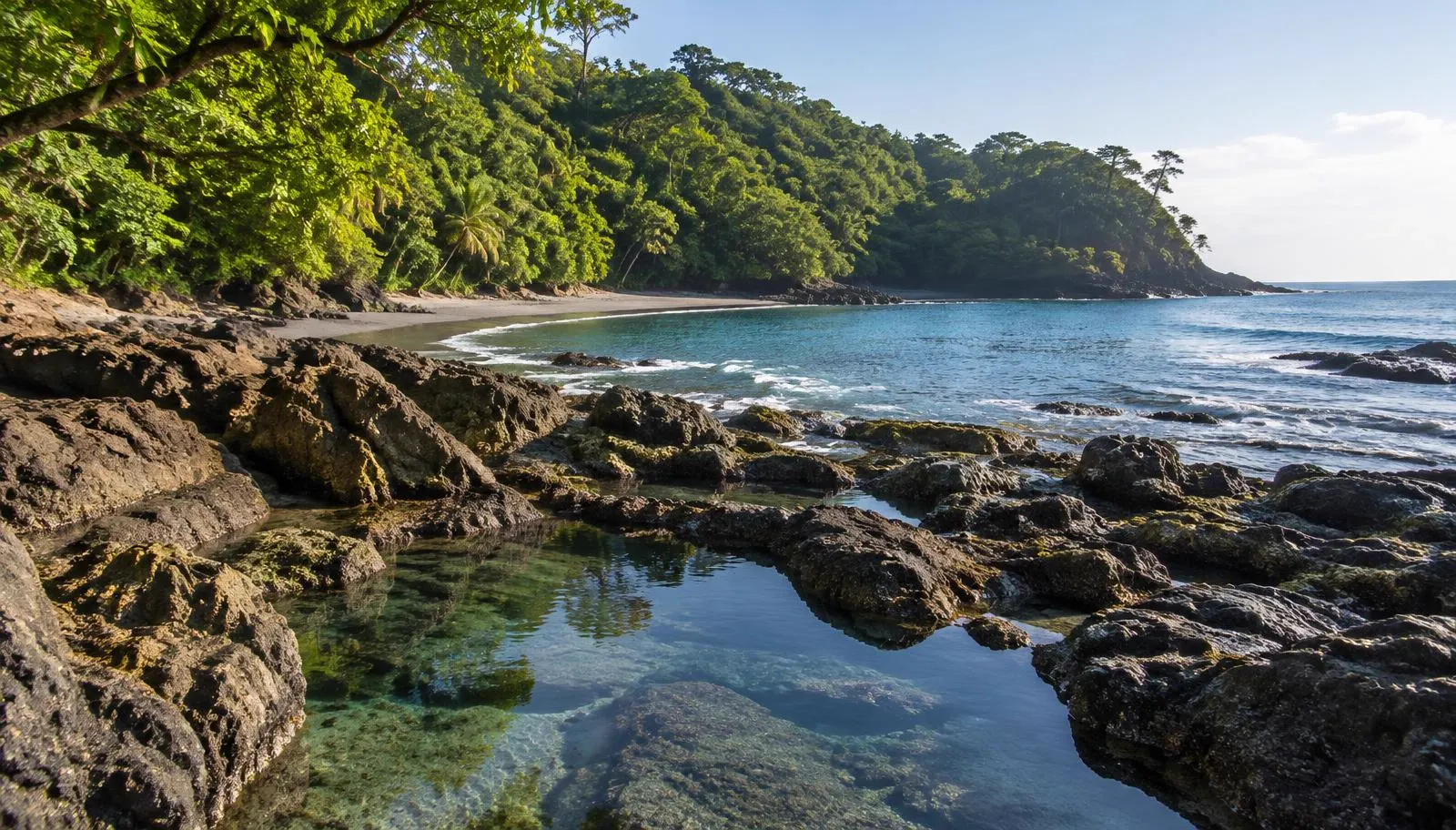
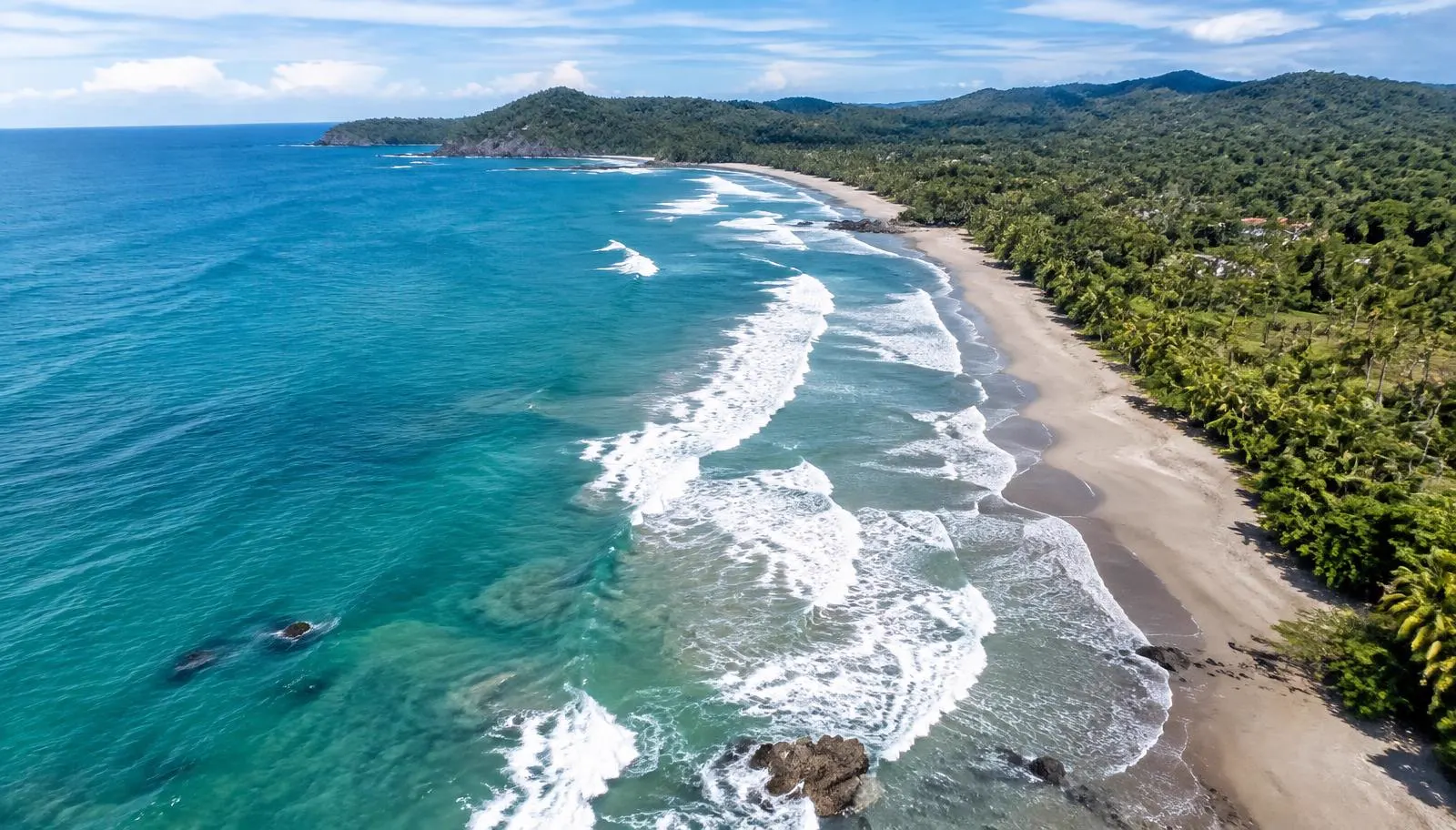
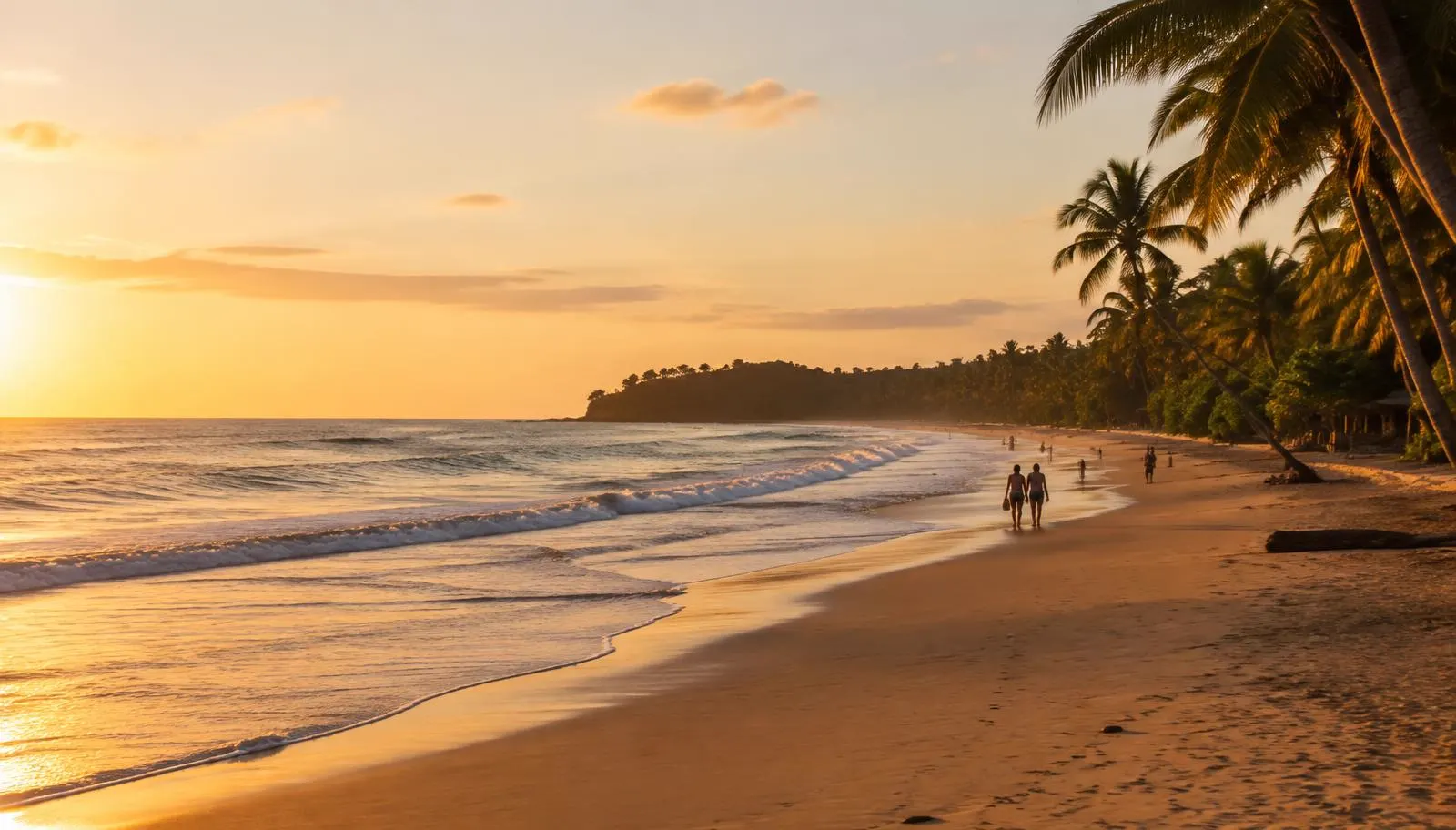
The coastline here is long, wild and photogenic, with golden-grey sand, rocky points and tidal pools at lower tides. Playa Santa Teresa, Playa Carmen, Playa Hermosa and the shoreline around Mal País each have their own character. Sunsets over the Pacific are a daily ritual.
One important caution: many of these beaches have strong currents and rip currents, and lifeguard coverage should not be assumed. Swimming conditions change with tide and swell. Ask locals or your accommodation about the day's conditions, swim in calmer spots, and never swim alone. For a beach-by-beach breakdown, read our guide to the best beaches in Santa Teresa and Mal País.
Surfing
Surf is the town's identity. Waves are typically available year round, with beach breaks and rock or reef-influenced spots handling different levels. In general, the dry season brings cleaner, often smaller conditions that suit beginners, while the green season can bring larger swell. Conditions vary daily, so check forecasts and speak with a local school.
If you are new to the sport, book lessons with a reputable instructor who will choose the right spot. Experienced surfers should respect the lineup, local etiquette and their own limits, because some breaks are powerful and crowded. More detail is in our Santa Teresa surfing guide.
Food Scene
For a small place, the food scene is impressively varied. You will find:
- Traditional Costa Rican meals, often called a casado: rice, beans, a protein, salad and plantains, usually at casual local restaurants known as sodas.
- Fresh seafood, including ceviche and catch-of-the-day dishes.
- International cooking, with influences from Europe, the Americas and Asia.
- Health-minded cafés, with smoothie bowls, plant-based dishes, coffee and baked goods.
- Sunset bars and beach restaurants with cocktails and live music on some evenings.
Menus and opening hours change with the seasons, and some places close for part of the low season, so check before building a plan around one restaurant. Reservations can be wise on busy nights in peak months. Carry some cash for smaller businesses, although many places accept cards.
Getting There and Getting Around
Most international visitors fly into San José or Liberia and then continue by road, sometimes combined with a ferry across the Gulf of Nicoya, or by a domestic flight to an airstrip within reach of the peninsula. Travel times vary widely with traffic, ferry schedules and weather, so build in buffer time and verify current options. You can compare routes and book through flights and arrange door-to-door private transfers if you would rather not drive unfamiliar roads after a long flight.
Once you are in town, there are several ways to move around:
- Walking works if you stay near your favorite stretch, but distances along the main road add up in the heat.
- ATVs and quads are a popular way to explore, and you can browse ATV rental options. Wear a helmet, ride within your experience, and watch for pedestrians and dust.
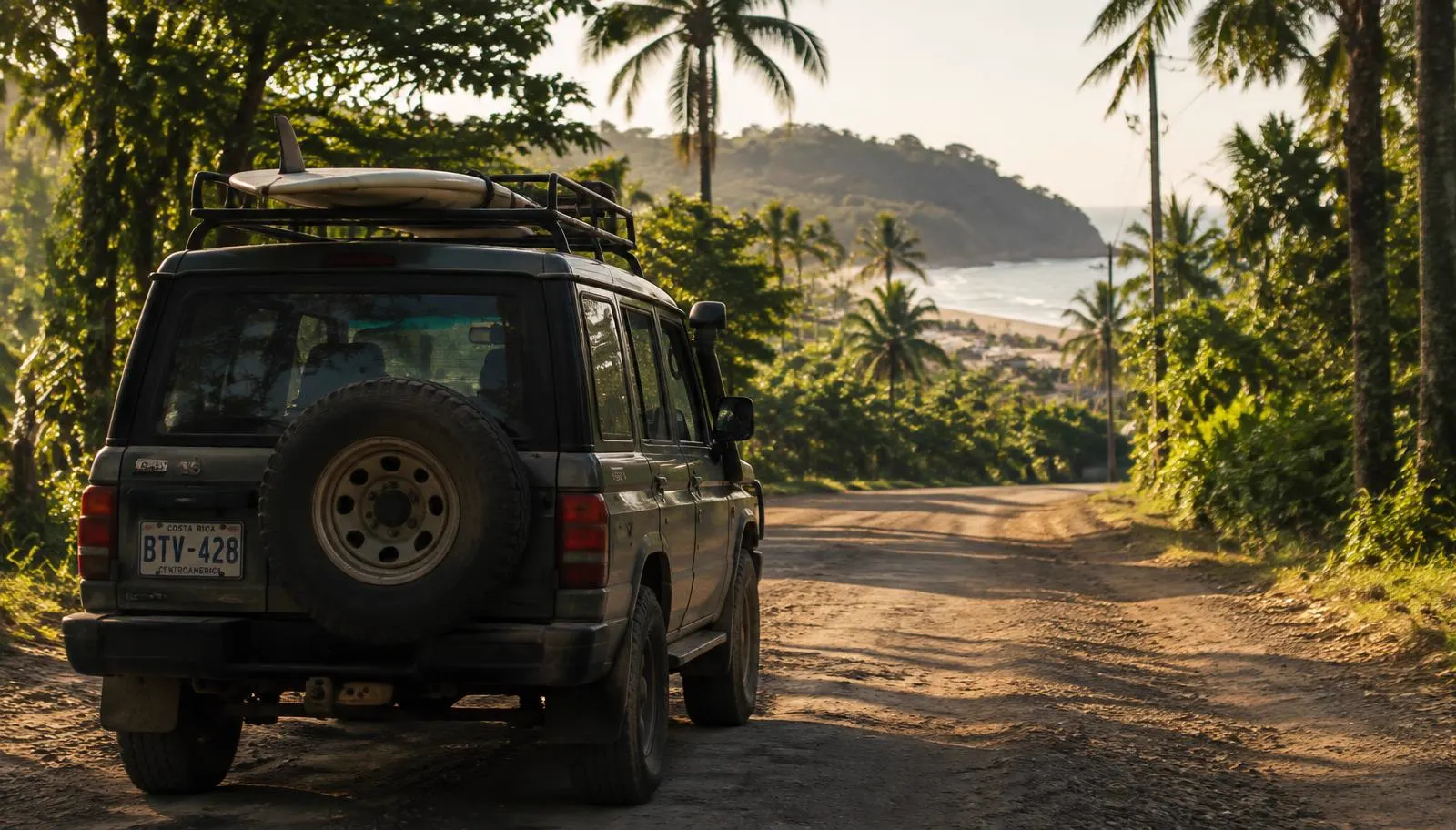
- A rental car offers flexibility for day trips. A higher-clearance vehicle is often recommended, particularly in the green season. See car rental choices and confirm insurance requirements.
- Taxis and shuttles are available, though availability varies.
Accommodation Styles
Santa Teresa offers a wide spread of lodging, which makes it easy to match your budget and travel style:
- Surf hostels and budget guesthouses for social travelers.
- Boutique hotels with pools, gardens and design-forward rooms.
- Private villas and houses, popular with families, groups and longer stays.
- Eco-lodges and jungle bungalows for a nature-focused trip.
- Upscale retreats with wellness programs and concierge-style support. Our overview of luxury travel in Santa Teresa explains what to look for.
Think about location before style. Being within walking distance of the beach and restaurants is convenient, but quieter, elevated or more secluded properties often offer better views and privacy at the cost of needing transport. You can browse options on the stays page.
Things to Do
Beyond surfing and beach time, popular activities include yoga, horseback riding, stand-up paddleboarding, sunset sails and fishing trips in season. Day trips head to the waterfalls near Montezuma, the nature reserve at the tip of the peninsula, and tidal pools along the coast. Wildlife such as howler monkeys, birds and iguanas is often seen without any tour at all, but give animals space and never feed them.
Our roundup of the best things to do in Santa Teresa has plenty of ideas, and the experiences page is a good place to see what can be arranged. If you want a structured plan, try the 7-day Santa Teresa itinerary.
Safety and Health
Santa Teresa is generally welcoming, but sensible precautions apply anywhere. Petty theft, including items taken from parked cars or left unattended on the beach, is the most common issue travelers hear about. Lock your vehicle, leave valuables in a safe, and do not leave bags unwatched.
Other points to keep in mind:
- Ocean safety: respect currents, avoid swimming at dusk, and follow local advice.
- Sun and heat: use sunscreen, a hat and plenty of water.
- Insects: repellent is useful, especially in the green season and near vegetation at dusk.
- Roads: unpaved sections, river crossings and heavy rain can slow travel. Avoid driving at night if you are unfamiliar with the area.
- Insurance and medical care: travel insurance is wise. Larger medical facilities are some distance away, so plan accordingly.
Check your government's current travel advice before departure, as guidance can change.
When to Go
Costa Rica's Pacific coast broadly has a drier season from roughly December to April and a greener, wetter season from roughly May to November. The dry season is typically sunnier and busier, while the green season brings lush scenery, quieter beaches and afternoon showers. Each has advantages, and the right choice depends on your priorities. We explain the patterns in the best time to visit Santa Teresa.
Planning Your Trip in 2026
A little preparation goes a long way here.
- Choose your length of stay. Four to seven days lets you settle in and add a day trip or two.
- Book accommodation early for peak holidays and the dry season.
- Decide on transport. Combine a private transfer for arrival with a rental ATV or car for flexibility if that suits you.
- Pack light and practical: swimwear, a rash guard, a light rain layer, sturdy sandals, repellent, and a refillable bottle.
- Check entry requirements and any current health or travel notices.
- Leave room for the unplanned. The best days often involve a long beach walk and an unhurried dinner.
If you want help pulling flights, stays, transport and activities together, ZAYA can be a helpful planning resource alongside your own research.
Travel Responsibly
Take litter home, respect wildlife and private land, and support local businesses. Conserve water and stay on marked trails. Santa Teresa rewards an unhurried visit built around safe ocean conditions and realistic travel plans.
Frequently asked questions
Where is Santa Teresa, Costa Rica?
Santa Teresa is on the Pacific coast of the southern Nicoya Peninsula in Puntarenas province, adjoining the community of Mal País.
Is Santa Teresa safe for tourists?
It is generally welcoming, but petty theft and ocean hazards are the main concerns. Secure valuables, lock vehicles, respect currents and check current official travel advice.
Can you swim at Santa Teresa beaches?
Sometimes, but many beaches have strong currents and rip currents, and lifeguards should not be assumed. Ask locals about conditions and choose calmer spots.
How do you get around Santa Teresa?
Options include walking, ATVs, rental cars, taxis and private transfers. Many roads are unpaved, so choose transport that suits your comfort and the season.
How many days do you need in Santa Teresa?
Many travelers find four to seven days comfortable, allowing time for beaches, surf, food and a day trip.
Conditions, access rules and schedules in Costa Rica change. Always confirm current details locally before you go. Spotted something outdated? Tell us.